Types Of Sanitary Napkins / Sanitary Pads
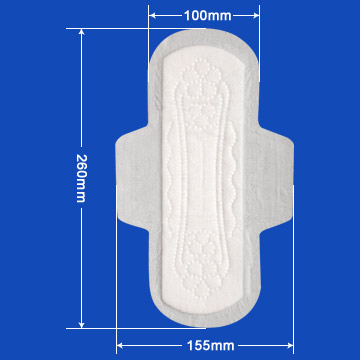
Regular Sanitary Napkins
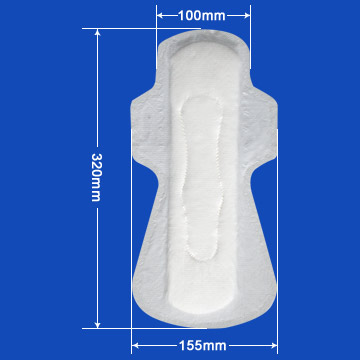
Night Use Sanitary Napkins
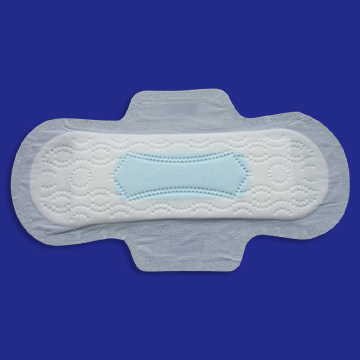
Ultra-thin Sanitary Napkins
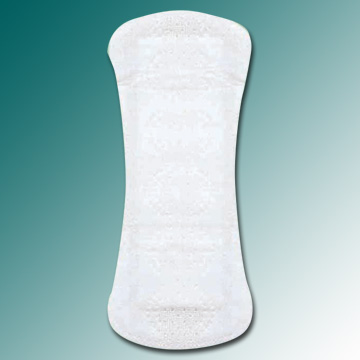
Photo by Guille Álvarez on Unsplash
1. Consider different styles, brands, sizes and thickness.
2. Select a shape or design
3. Consider of the absorbency rate
4. Thickness for comfortable
5. Best support system for preventing slippage
Sanitary napkins are normally made up of three layers: surface layer, absorbent layer and underlying layer. The choice of sanitary napkins should be based on considerations relating to the materials and functions of these three layers.
1. Surface Layer Consideration - prefer to have a cotton net surface with rapid absorption to avoid wet skin surface.
2. Absorbency Layer - middle layer should have effective absorption agents, avoid to use paper pulp from recycle paper as absorbency agents.
3. Underlying Layer - underlying layer should be made of air permeable materials.
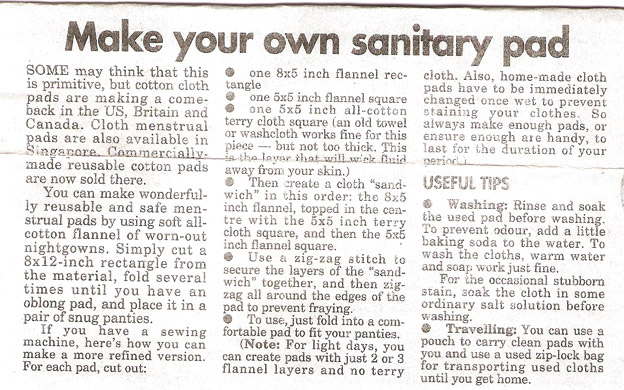
Home Made Sanitary Napkin
Before manufactured/disposable sanitary napkins became available and affordable, women made their own sanitary napkins by sewing or folding absorbent cloth into thick pads. They attached them to some sort of belt with loops, pins or clasps. The sanitary napkins would be washed and re-used many times.
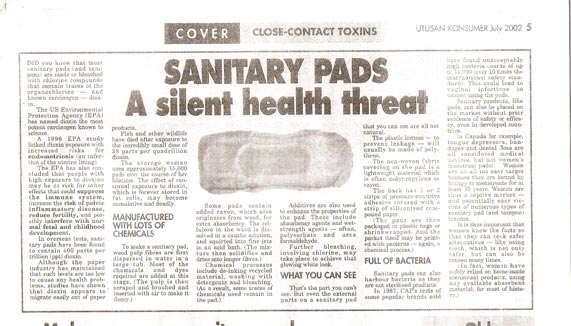
Warning : Sanitary Napkins - A silent Health Threat
To make a sanitary pad, wood pulp fibers are first dispersed in water in large tub. Most of the chemical s and dyes required are added at this stage. The pulp is then scraped and brushed and inserted with air to make fleecy.
The average women use approximately 15,000 pads over the course of her lifetime. The effect of continual exposure to dioxin, which is forever stored in fat cells, may become cumulative and deadly.
Full Article at Sanitary Pads - A silent Health Threat

AI Website Software